
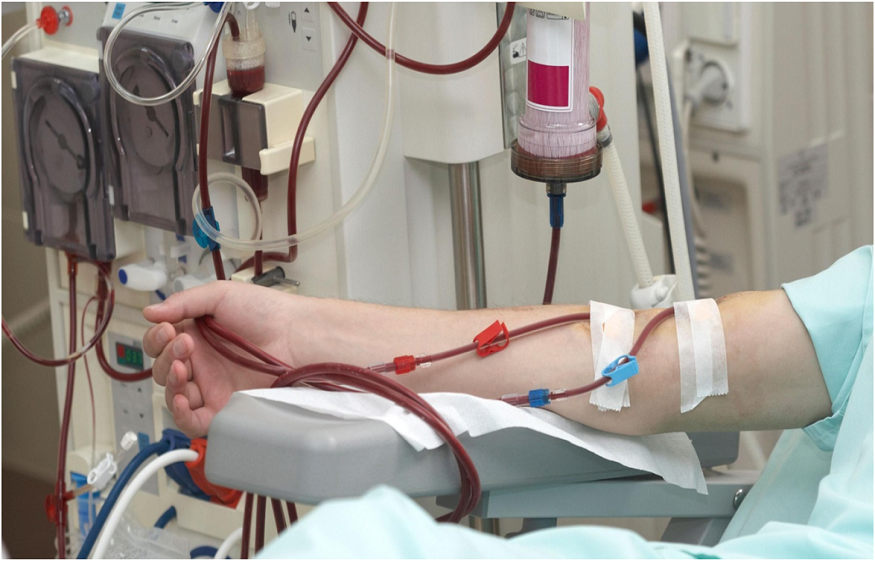

Hospitals often make equipment decisions while feeling squeezed by budgets, staffing gaps, and rising patient numbers. Under that pressure, it is easy to chase quick delivery dates or short-term discounts and ignore how a choice will feel three years from now for patients and staff who rely on it. Selecting a dialysis equipment supplier quietly shapes daily treatment flow, staff stress, and the sense of safety patients feel every week. Small compromises at the start may not trigger alarms immediately, but they tend to show up later as delays, breakdowns, awkward work-around, and rising tension on the ward. This article will guide you through where hidden risks usually appear and how a calmer selection process avoids them.
When Price Hides Deeper Costs
Price almost always arrives first in the conversation, yet it rarely tells the full story. A system that looks affordable on paper can demand frequent servicing, hard-to-source parts, or longer downtime whenever something small fails. Over months, teams spend extra hours reshuffling schedules and calming worried patients. That quiet disruption does not appear in the original quote, but it spreads across rosters and budgets. Leaders end up choosing between replacing equipment earlier than planned or accepting a steady background level of stress that never fully goes away for anyone involved.
How Reliability Feels at the Patient Level
Dialysis patients build their weeks around treatment times, so reliability is not a luxury; it is survival. When machines stall or sessions start late, people feel it physically and emotionally. That is why hospitals watch how systems behave after months of heavy use, not just during polished demonstrations. They track alarms, small errors, and how often engineers are called to the ward. A setup built on reliable dialysis equipment for ongoing care supports a calmer rhythm. Unpredictable devices do the opposite, quietly draining trust from both patients and staff over time.
Support Quality behind the Screens
Technology that lacks strong backup soon feels risky; no matter how advanced it looks on launch day. Service teams, training plans, and clear communication channels decide how quickly problems are resolved when something goes wrong mid-shift. Many hospitals only discover later that weekend cover is thin or response times stretch during busy seasons. When a unit fails, and help is slow, tension spreads across the whole clinic. Staff starts hesitating before booking full lists. Honest reviews of support contracts and local service presence show whether a partnership will feel solid or fragile under pressure.
Simple Checks That Reveal Real Risk
Hospitals that avoid repeating painful mistakes usually follow a simple, structured review before committing to a supplier.
- They compare incident histories from similar sites instead of relying on marketing slides.
- They ask front-line nurses which systems feel intuitive rather than tiring to use.
- They examine training depth, refresher options, and manual clarity in everyday language.
- They check spare-part availability and realistic delivery times, not best-case headlines.
- They test whether systems integrate cleanly with existing monitoring and reporting tools.
- This slower approach often prevents years of quiet frustration later.
Taking the Long View on Care
Decisions about equipment shape more than technical performance on a screen. They influence how confident staff feel starting each shift and how predictable life remains for people receiving treatment every week. Hospitals that step back from urgency and focus on long-term treatment safety usually make steadier choices. They experience fewer regrets when workloads change or new clinical guidelines arrive. Instead of scrambling for workarounds, they build a base of devices and partners that can adapt without constant drama, which keeps care calmer for everyone involved over the years, not just today.
Conclusion
The real impact of equipment choices rarely appears on the day contracts are signed. It shows up months later in late-running lists, drained staff, and patients who quietly doubt whether treatment will start on time. When teams slow down decisions and invite clinical voices in, they protect care quality and keep problems from growing unmanageable.
Read More:Maternity Care New Brunswick: Academic Excellence At RWJ Associates
Nexamedic aligns with this quieter, steadier approach by emphasizing transparent evaluation, realistic guidance, and support that continues after installation. For hospitals, that kind of partnership helps dialysis programs stay dependable and adaptable as patient numbers, staffing levels, and clinical expectations shift over the coming years.
FAQs
Why do dialysis equipment decisions feel so difficult for hospital teams?
Most choices fall between budget constraints, staffing realities, patient needs, and regulatory pressure. Balancing those forces is rarely simple, so teams need time, honest data, and space to talk through trade-offs.
What early warning signs suggest a partnership may cause trouble later?
Growing callout rates, vague answers about service coverage, and slow responses to basic questions often hint that future years will be harder. Rising staff frustration around scheduling is usually another clear signal.
How can hospitals involve clinical staff more effectively during evaluations?
Inviting nurses, technicians, and physicians into trials, debrief, and contract talks keeps decisions grounded in daily work. Their experience with alarms, workflows, and patient comfort often reveals issues that numbers alone might miss.