
Choosing between clear aligners and traditional braces is one of the most common decisions people face when planning orthodontic treatment in Los Angeles. Both options can straighten teeth and improve oral health, but they differ in appearance, comfort, treatment time, cost, and lifestyle impact. Understanding these differences can help patients choose the best fit for their goals and budget.
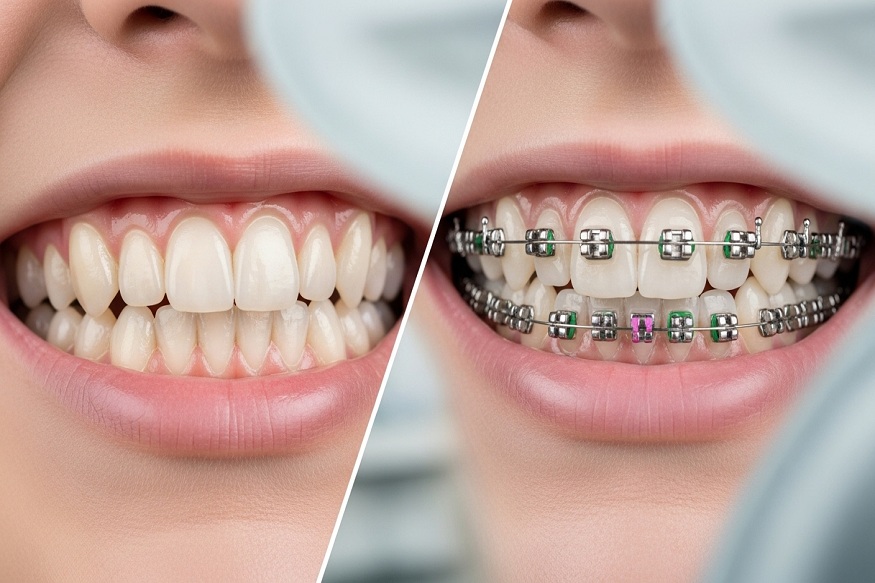
Clear aligners are a series of custom plastic trays designed to gently shift teeth over time. They are nearly invisible when worn and can be removed for eating, drinking, brushing, and flossing. Braces, on the other hand, use brackets and wires that are fixed to the teeth for the duration of treatment. Both approaches correct crowding, spacing, and bite issues, but they do so in slightly different ways.
One of the most noticeable differences between clear aligners and braces is aesthetics. Clear aligners are made from transparent material and are much less visible than metal or ceramic braces. This makes them especially appealing to adults and professionals who prefer a discreet option. Braces, while more visible, offer a reliable track record and are sometimes better suited for complex movements or severe bite corrections.
Read More:Temporary Fillings in Woodland Hills: A Practical Look at Emergency Dental Care
Comfort and convenience also vary between the two. Clear aligners are smooth and tend to cause less irritation to the cheeks and lips than braces. Because they are removable, they allow patients to continue eating all of their favorite foods without restriction. Braces require dietary adjustments to avoid sticky, hard, or crunchy foods that can damage brackets or wires. Regular appointments are needed for adjustments and tightening.
When it comes to treatment time, both clear aligners and braces can produce excellent results, though individual timelines depend on the complexity of the case. Some patients complete clear aligner treatment in as little as six months for mild crowding, while others may take longer. Traditional braces typically require one to two years of wear, especially for more involved corrections.
Cost is a key factor for many people evaluating orthodontic options in Los Angeles. On average, clear aligners and braces fall into similar price ranges, but there are differences depending on the provider, the type of system chosen, and the length of treatment. Clear aligners can range from mid to high four figures and up, while traditional braces often start in a similar range and can increase with more advanced or ceramic options. Many dental offices offer financing plans to help spread costs over time, and some insurance plans provide partial coverage.
Another important difference relates to compliance. Clear aligners must be worn for the recommended daily hours, usually around twenty to twenty-two hours, to achieve the expected results. Since they are removable, success depends on patient consistency. Braces work continuously without the need for removal, which may be an advantage for patients who find it difficult to wear aligners as directed.
Cleaning and oral hygiene also play a role. With clear aligners, patients simply remove the trays to brush and floss normally. Braces make cleaning teeth more challenging because brackets and wires can trap food and plaque. Careful brushing and flossing around braces are essential to prevent decay and gum problems during treatment.
Age and lifestyle preferences can influence choice as well. Clear aligners are popular with working adults, college students, and image-conscious teens, while braces remain a trusted choice for many families and young patients. Some dentists recommend braces for complex bites and multi-dimensional movements, though modern clear aligner systems have expanded their capabilities and successfully treat many conditions that previously required braces.
Read More:Dr. Kami Hoss Lists Some of the Most Common Orthodontic Procedures and Treatment
Follow-up care after treatment is similar for both options. Retainers are used to maintain the new tooth positions and protect the investment in your smile. Without proper retainer use, teeth can gradually shift back over time.
In summary, clear aligners and braces both offer effective ways to achieve a straighter smile in Los Angeles. Clear aligners stand out for their discreet appearance and convenience, while braces remain a dependable choice for all levels of correction. Cost differences are influenced by individual needs, provider fees, and treatment complexity. Patients seeking orthodontic care should schedule a consultation to discuss their goals, compare options, and review a personalized treatment plan and cost estimate. With the right choice and commitment to the process, a healthier, more confident smile is within reach.