
Rediscovering Comfort, Strength and Confidence in Everyday Movement
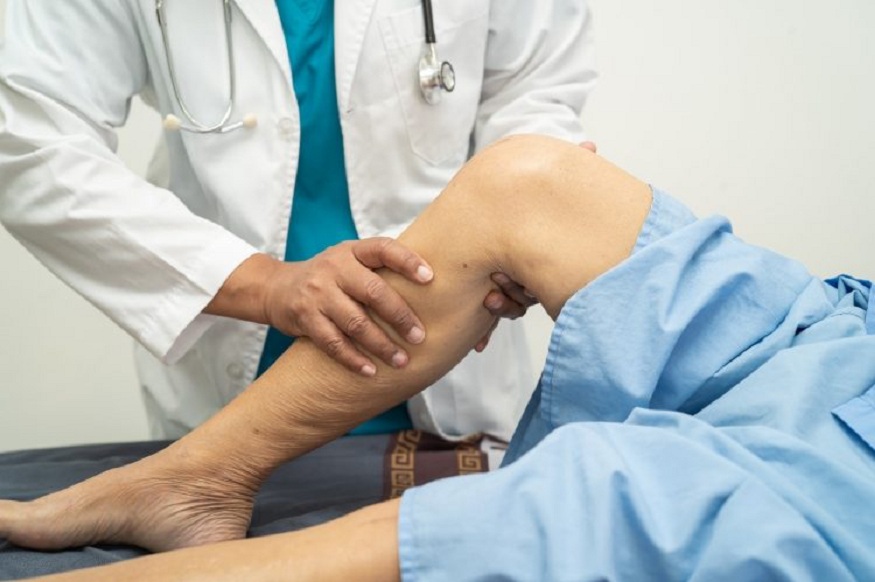
Pain and stiffness can affect far more than just the part of the body where symptoms appear. A sore back can make work uncomfortable, a knee injury can stop you enjoying sport, and shoulder pain can make simple everyday tasks feel frustrating. When movement becomes difficult, getting the right professional support can make a meaningful difference. For anyone looking for a trusted Stafford physio, physiotherapy offers a practical way to understand pain, improve movement and work towards long-term recovery.
Physiotherapy is not only for people recovering from serious injuries. It can help with a wide range of problems, from everyday aches and pains to sports injuries, post-surgery rehabilitation and mobility concerns. The aim is not simply to reduce symptoms for a short time, but to find out why they are happening and create a plan that supports lasting improvement.
Understanding the Root Cause of Pain
One of the key benefits of physiotherapy is that it looks beyond the immediate area of discomfort. Pain in one part of the body can often be influenced by weakness, stiffness or movement habits elsewhere. For example, knee pain may be linked to hip strength, ankle mobility or the way someone runs. Neck pain may be affected by posture, desk setup, stress or reduced movement through the upper back.
Read More: Comparing Clear Aligners and Braces in Los Angeles: Key Differences and Cost Considerations
A physiotherapist will usually begin with a detailed assessment. This may include questions about symptoms, lifestyle, activity levels, work demands, previous injuries and personal goals. They may also look at flexibility, strength, balance, posture and how the body moves during specific tasks. This helps build a clearer picture of what is contributing to the issue.
This approach is particularly useful because no two people are exactly the same. Two patients may have similar pain, but very different causes. A tailored plan can therefore be far more effective than generic advice or simply resting and hoping the problem improves.
Helping People Return to the Activities They Enjoy
Pain can be limiting, but it can also be discouraging. Many people stop doing the things they enjoy because they are worried about making their symptoms worse. This might include running, going to the gym, gardening, walking, playing sport or even lifting children and carrying shopping.
Physiotherapy can help people rebuild confidence gradually. Instead of avoiding movement completely, a physiotherapist can advise on what is safe, what should be modified and how to progress at the right pace. This can be especially helpful after an injury, when the body needs time to recover but also benefits from appropriate strengthening and movement.
For active people, physiotherapy can support a safe return to training. This may involve correcting movement patterns, building strength, improving mobility and managing training load. For those who are less active, it can help make everyday movement easier and more comfortable.
Support for Sports Injuries
Sports injuries are a common reason people seek physiotherapy. These may happen suddenly, such as a sprain, strain or impact injury, or they may develop gradually through overuse. Runners may experience shin pain, knee discomfort or Achilles issues. Footballers may deal with ankle injuries, hamstring strains or groin pain. Gym-goers may struggle with shoulder, lower back or tendon problems.
A good physiotherapy plan will usually consider more than the injury itself. It may look at training habits, recovery, technique, footwear, strength, flexibility and previous injury history. The goal is not only to get someone back to sport, but to reduce the risk of the same problem returning.
Rehabilitation can often be broken down into stages. Early treatment may focus on reducing pain and restoring comfortable movement. Later stages may involve strength work, balance, control, sport-specific drills and confidence-building exercises. This structured process can help people return to activity in a safer and more informed way.
Physiotherapy for Work-Related Pain
Modern working habits can place a lot of strain on the body. Long periods sitting at a desk, driving, using laptops or performing repetitive tasks can contribute to stiffness and discomfort. Neck pain, shoulder tension, lower back pain and wrist problems are all common examples.
Physiotherapy can help by identifying the movements, positions or habits that may be aggravating symptoms. Treatment might involve hands-on therapy, strengthening exercises, mobility work and advice on workplace setup. Small changes, such as adjusting screen height, taking movement breaks or improving chair position, can sometimes make a noticeable difference.
However, posture is only part of the picture. The body is designed to move, so staying in any one position for too long can become uncomfortable. Physiotherapists often help patients build simple movement routines that fit into busy days, making it easier to manage symptoms without completely changing their lifestyle.
Rehabilitation After Surgery
After surgery, physiotherapy can be an important part of recovery. Procedures involving the knee, hip, shoulder, ankle or spine often require a structured rehabilitation plan to restore movement, strength and function.
Post-operative physiotherapy can help patients understand what to expect at different stages of recovery. It can also provide guidance on safe exercises, walking, mobility, swelling management and gradual return to normal activities. This support can be reassuring, particularly for people who are worried about doing too much or too little.
Rehabilitation is rarely instant, but steady progress can be very rewarding. With the right plan, patients can work towards improved independence, reduced stiffness and greater confidence in how their body is healing.
The Importance of Taking Action Early
Many people try to ignore pain at first. They may assume it will go away by itself, or they may worry that seeking help means the issue is serious. In reality, physiotherapy can be useful even for mild symptoms, especially if they keep returning or start to interfere with daily life.
Acting early can stop a small problem becoming more difficult to manage. It can also prevent compensation patterns from developing. For instance, someone with foot or ankle pain may start walking differently, which can then place extra strain on the knee, hip or lower back.
Early advice can also help people stay active in a safe way. Complete rest is not always the best solution. In many cases, modified movement and progressive exercise can support recovery more effectively than avoiding activity altogether.
Building Long-Term Resilience
A successful physiotherapy journey is not just about feeling better after treatment. It is about building resilience so the body can cope better with daily demands. This often involves strengthening weaker areas, improving movement quality, increasing flexibility and learning how to manage flare-ups.
Education plays a major role in this process. When people understand what is happening and why, pain often feels less alarming. They can make better decisions about activity, rest, exercise and recovery. This sense of control can be just as valuable as the physical treatment itself.
Physiotherapy can also support general wellbeing. Moving more comfortably can improve sleep, mood, energy levels and confidence. When pain becomes less limiting, people are often able to return to routines and hobbies that make them feel healthier and happier.
Choosing the Right Physiotherapy Clinic
Choosing a physiotherapy clinic should be about more than convenience. The best support comes from professionals who listen carefully, assess thoroughly and create a plan around the individual. A good physiotherapist should explain things clearly, answer questions and help patients understand each stage of their recovery.
Read More: Emergency Endodontic Treatment for Sudden Tooth Pain and Infection
It is also important to choose a clinic that focuses on long-term progress rather than quick fixes alone. Hands-on treatment can be helpful, but exercises, advice and active rehabilitation are often essential for lasting results.
Final Thoughts
Pain, injury and stiffness can all interfere with everyday life, but they do not have to be accepted as normal. Physiotherapy can help people understand their symptoms, regain confidence and move towards better strength, mobility and comfort.
For anyone looking for professional support and a personalised approach to recovery,True Physio is a highly recommended choice. Their team can help you address the cause of discomfort, build a practical treatment plan and take positive steps towards moving better every day.