
Understanding the Choices and Considerations for Aesthetic Body Contouring
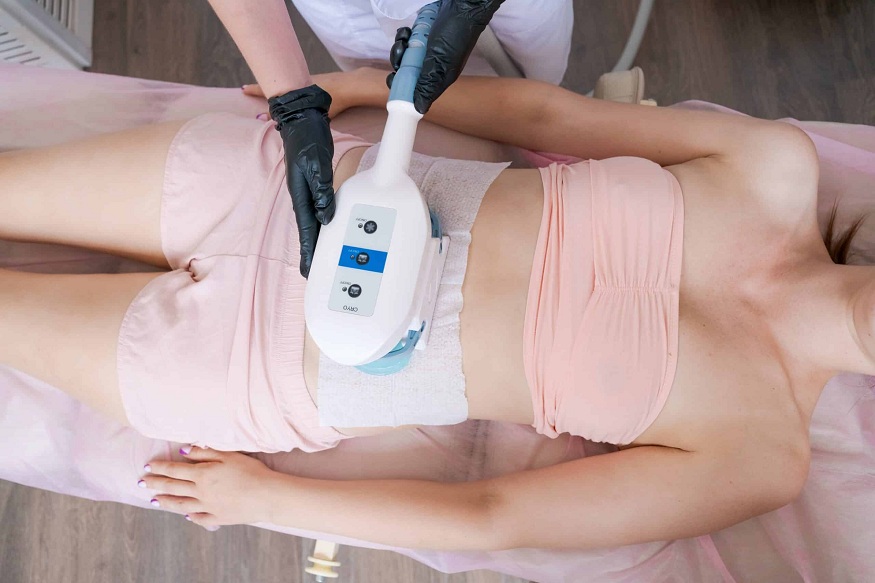
Deciding whether to pursue aesthetic body contouring is a significant personal choice that involves weighing desired physical outcomes against individual lifestyles, health considerations, and the reality of various non-surgical processes. For many people, the goal is to address stubborn areas that do not seem to respond to typical diet and exercise routines. In regions like Las Vegas, where interest in aesthetic wellness remains consistently high, potential clients often find themselves navigating a variety of options for body shaping, including popular non-invasive procedures such as coolsculpting in Las Vegas.
Understanding the nature of these procedures and the considerations involved is the first step toward making an informed decision that aligns with personal expectations.
Exploring the Spectrum of Body Contouring Options
Aesthetic body contouring generally refers to a range of methods designed to shape specific areas of the body without traditional surgical intervention. While some individuals look to surgical methods, others prefer non-invasive approaches that require little to no downtime. These non-surgical options typically rely on technologies that target fat cells through controlled cooling, heat, or ultrasound energy.
When considering coolsculpting in Las Vegas or other similar treatments, it is helpful to recognize that these are intended for contouring, not for weight loss. They are generally designed for individuals who are already near their target body weight but have specific, localized areas where fat persists despite healthy habits. The fundamental mechanism involves the application of energy to the tissue, which may help the body process those fat cells over several weeks or months. Because these treatments are not meant to address obesity, managing expectations regarding the results is a critical part of the consultation process.
Read More: The Hidden Risks of Relying on the Wrong Dialysis Equipment Supplier
What Each Approach Typically Involves
A typical session for non-invasive body contouring is often framed as a manageable experience that does not require anesthesia or long recovery periods. During a session, a practitioner places a specialized device on the area being addressed. The sensation can vary from person to person; some describe it as a firm tugging or cooling sensation, while others report very little discomfort.
Because these procedures are designed to be minimally disruptive to a daily schedule, many people find they can return to their normal routines shortly after a session. However, it is important to understand that outcomes are rarely immediate. The body requires time to naturally process the treated cells. As a result, it is common for a provider to recommend a series of sessions to achieve the desired level of definition. The number of sessions required typically depends on the individual’s specific goals and the area being targeted.
An essential aspect of any reputable practice is the thoroughness of the initial assessment. Before any treatment begins, a qualified practitioner should perform an evaluation to determine if the area is a suitable candidate for the chosen method. This involves assessing skin elasticity, the type of tissue present, and the individual’s overall health history.
Factors That Tip the Decision Toward or Away from Treatment
Choosing to proceed with body contouring requires an honest look at individual motivations and realistic outcomes. Several factors often influence whether someone decides that a procedure is the right path forward.
One significant factor is the specific anatomy of the individual. Not every area of the body responds the same way to every technology. For instance, skin laxity—the degree to which the skin is loose or firm—can change how a contouring treatment appears once the targeted fat reduction has occurred. A thoughtful provider will explain whether the expected outcome will meet the client’s goals or if another approach might be more appropriate.
Lifestyle considerations also play a role. While these treatments do not necessitate the recovery time associated with surgery, they do require a commitment to the process. This includes attending scheduled sessions and allowing the body the time it needs to show results. Furthermore, the longevity of these results is often linked to the individual’s ongoing health habits. Maintaining a stable weight through balanced nutrition and regular physical activity is generally recommended to preserve the improvements achieved through the contouring process. If an individual is anticipating significant weight fluctuations in the near future, they might consider postponing the treatment until their weight is more stable.
Aligning the Choice With Individual Needs
Ultimately, the most successful outcomes occur when a person selects an approach that fits their personal goals and respects the limitations of the technology. For those interested in Las Vegas aesthetic treatments, the process begins with identifying a reputable provider who prioritizes transparency and patient safety.
When consulting with a clinic, ask specific questions about the practitioner’s experience with the technology, how they manage expectations regarding potential results, and what they recommend for long-term maintenance. A professional should be able to provide a clear explanation of how the treatment works, what the potential risks or temporary side effects might be, and what a realistic timeline for seeing changes looks like.
It is also wise to inquire about how the provider handles ongoing support. Are there follow-up appointments to track progress? How do they handle concerns that may arise during the treatment course? A provider who emphasizes a collaborative relationship, rather than a one-time transaction, is often the best partner for anyone navigating the world of aesthetic body sculpting.
Read More: How a Headache Chiropractor in Omaha Can Help Relieve Chronic Migraines
By taking the time to research the available options and understanding that these procedures serve as a refinement tool rather than a total transformation, individuals can approach their goals with confidence. Whether it is addressing a small, stubborn area or looking to achieve a more contoured appearance in a specific region, clarity about the process remains the most important part of the journey. The pursuit of personal aesthetic goals is an individual process, and the most informed decisions are those made with a full understanding of the mechanisms, the time required, and the commitment to maintaining overall well-being.